

Shakespeare’s Sonnets: key quotation sheet (PDF)
PDF, 9 pages, 784 KB. Free, no sign-up, made to be printed.
From the The Sonnets study guide.
How to use this sheet
These are the 10 quotations from the Shakespeare’s Sonnets study guide, set out for revision. Part one gives each quotation with a plain-English reading and space for your own notes. Part two prints them again with a word missing from each line, so that you can test yourself.
- Read the quotation aloud twice. Sound helps memory more than staring does.
- In the note space, name one method (a device, a word choice, a feature of the verse) and the effect it has.
- Add one link: to a theme, to another moment in the text, or to a point of context.
- A day later, cover part one and complete part two from memory.
Part one: the quotations
Shall I compare thee to a summer’s day?
Sonnet 18
Thou art more lovely and more temperate.
Plain English: Shall I liken you to a summer’s day? You are lovelier and milder.
Method and effect:
Links to:
So long as men can breathe or eyes can see,
Sonnet 18
So long lives this, and this gives life to thee.
Plain English: As long as people live and read, this poem will live, and will keep you alive.
Method and effect:
Links to:
Like to the lark at break of day arising
Sonnet 29
From sullen earth, sings hymns at heaven’s gate;
Plain English: My mood, like a lark rising at dawn from the gloomy ground, sings at the gate of heaven.
Method and effect:
Links to:
Like as the waves make towards the pebbled shore,
Sonnet 60
So do our minutes hasten to their end,
Plain English: Just as waves move towards the stony shore, so our minutes hurry to their end.
Method and effect:
Links to:
Upon those boughs which shake against the cold,
Sonnet 73
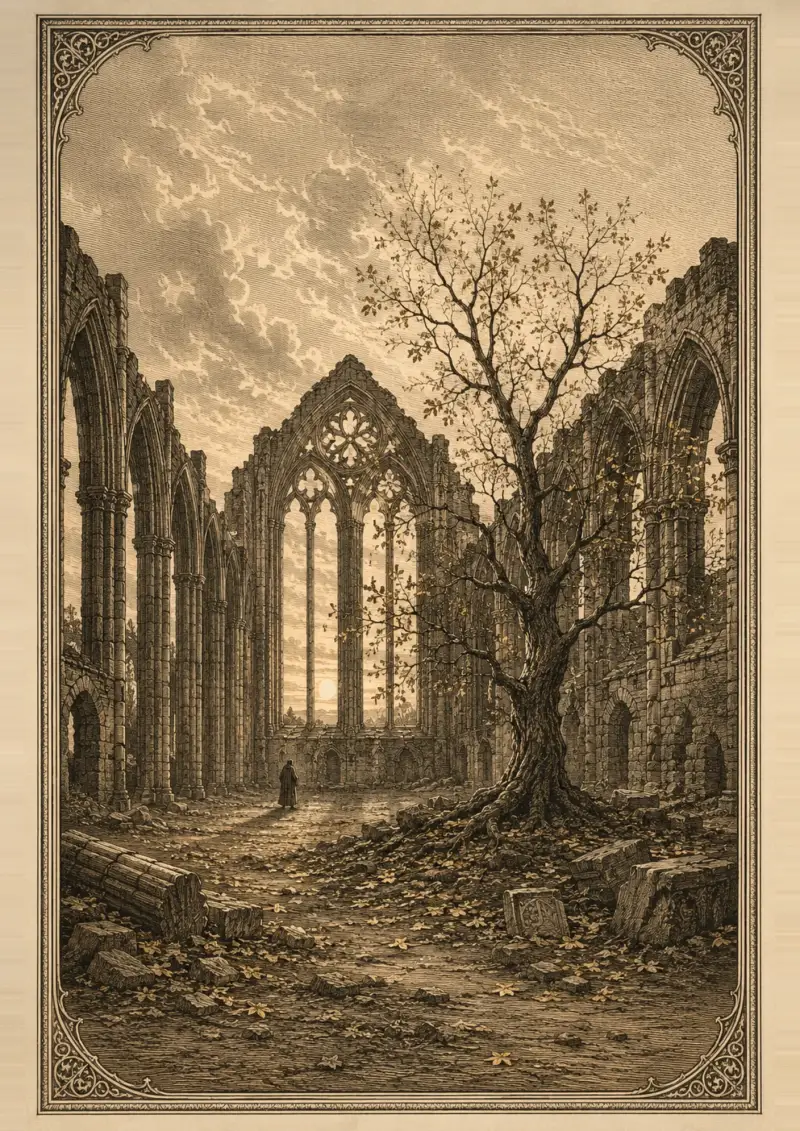
Bare ruined choirs where late the sweet birds sang.
Plain English: On the branches shivering in the cold: bare, ruined choir stalls where birds sang not long ago.
Method and effect:
Links to:
This thou perceiv’st, which makes thy love more strong,
Sonnet 73
To love that well which thou must leave ere long.
Plain English: You see all this, and it makes you love more strongly what you must soon lose.
Method and effect:
Links to:
Love is not love
Sonnet 116
Which alters when it alteration finds
Or bends with the remover to remove.
Plain English: Love that changes when things change, or leaves when the other person leaves, is not really love.
Method and effect:
Links to:
Love’s not Time’s fool, though rosy lips and cheeks
Sonnet 116
Within his bending sickle’s compass come;
Plain English: Love is not Time’s plaything, even though youthful beauty falls within reach of his curved sickle.
Method and effect:
Links to:
Th’ expense of spirit in a waste of shame
Sonnet 129
Is lust in action;
Plain English: Acting on lust is a spending of vital energy in a shameful waste.
Method and effect:
Links to:
And yet, by heaven, I think my love as rare
Sonnet 130
As any she belied with false compare.
Plain English: And yet I swear my beloved is as precious as any woman misrepresented by false comparisons.
Method and effect:
Links to:
Part two: test yourself
Fill each gap from memory, then check against part one. Mark the ones you missed and come back to them tomorrow.
Shall I compare thee to a day?
Sonnet 18
Thou art more lovely and more .
So long as men can or eyes can see,
Sonnet 18
So long this, and this gives life to thee.
Like to the lark at break of day
Sonnet 29
From sullen earth, sings hymns at gate;
Like as the waves make the pebbled shore,
Sonnet 60
So do our hasten to their end,
Upon those boughs which shake the cold,
Sonnet 73
Bare choirs where late the sweet birds sang.
This thou , which makes thy love more strong,
Sonnet 73
To love that well thou must leave ere long.
Love is not love
Sonnet 116
Which alters when it finds
Or bends with the to remove.
not Time’s fool, though rosy lips and cheeks
Sonnet 116
Within his bending compass come;
Th’ of spirit in a waste of shame
Sonnet 129
Is lust in ;
And yet, by , I think my love as rare
Sonnet 130
As any she belied with false .
Next steps
Turn three of these quotations into full paragraphs with the essay planner, and check your method against the close reading toolkit. For a small daily dose of the language, Daily Bard shows one passage each morning with a plain-English reading on the back of the leaf.

A page of Shakespeare, every day.
This resource comes from Daily Bard, an app for iPhone and iPad. Each morning it shows one engraved plate and one passage, exactly as Shakespeare wrote it, with a plain-English reading on the back of the leaf.
Free to download. The Full Edition is a one-time US$11.99: no subscription, no account, no ads, no tracking.
Get it on the App Store: apps.apple.com/app/id6792967225
More free study guides, lesson plans and close readings: dailybard.app