
HomeLesson plans
Lesson plans
For each text, a sequence of three one-hour lessons you could teach tomorrow: key questions, objectives, minute-by-minute activities, support and stretch, assessment, and a student worksheet with indicative answers.
Lesson plans by text
-
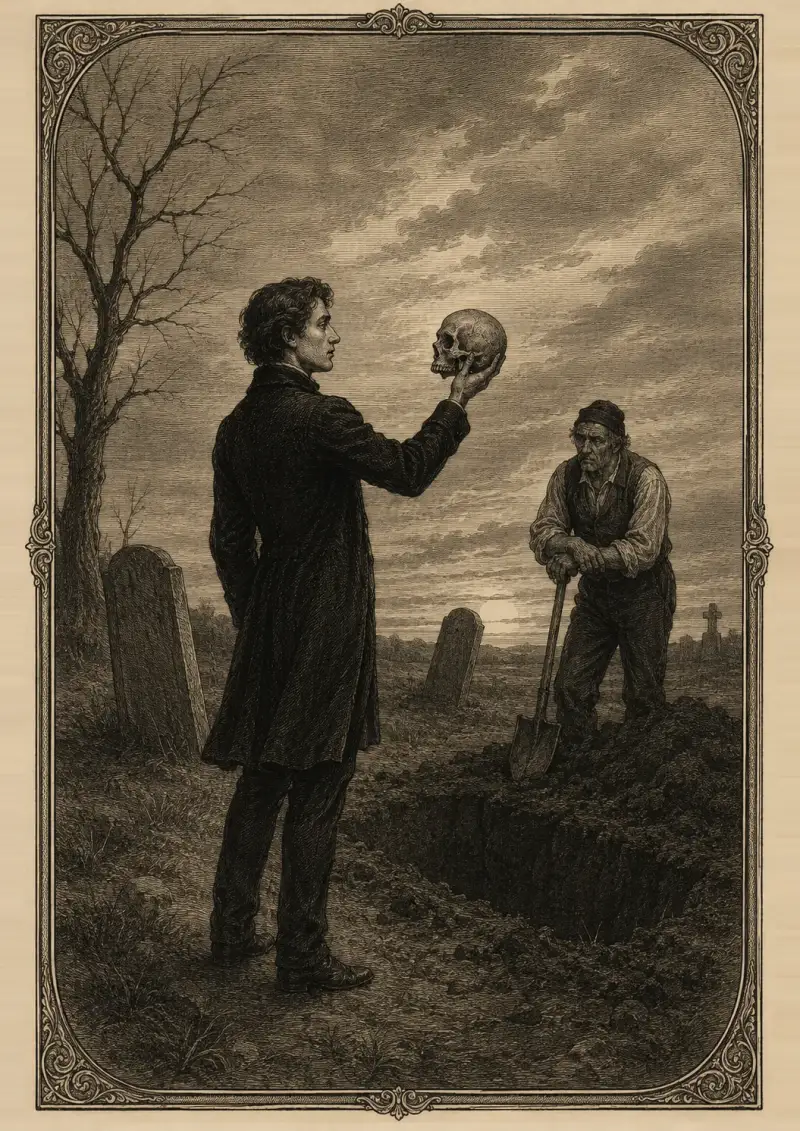
Hamlet
Hamlet’s delay: grief in Act 1, the prayer scene in Act 3, acceptance in Act 5
-
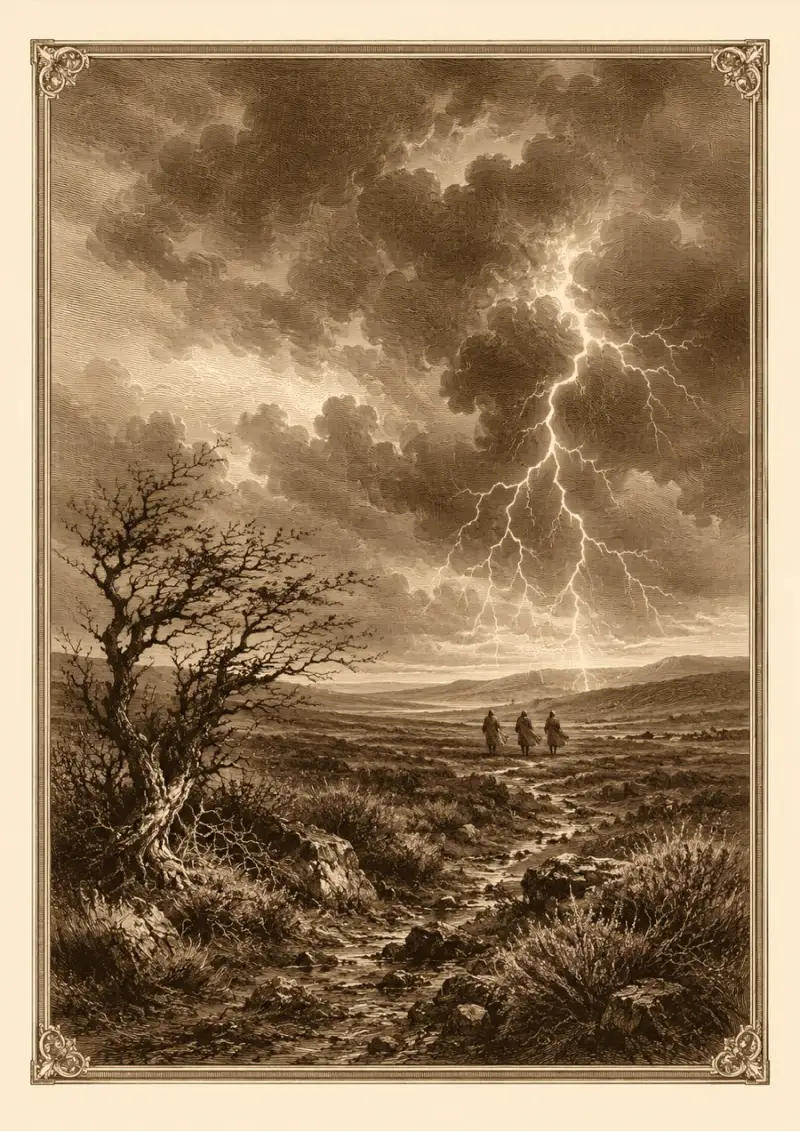
Macbeth
Guilt and the Macbeths’ reversal: Act 1 Scene 7, Act 2 Scene 2, Act 5 Scenes 1 and 5
-
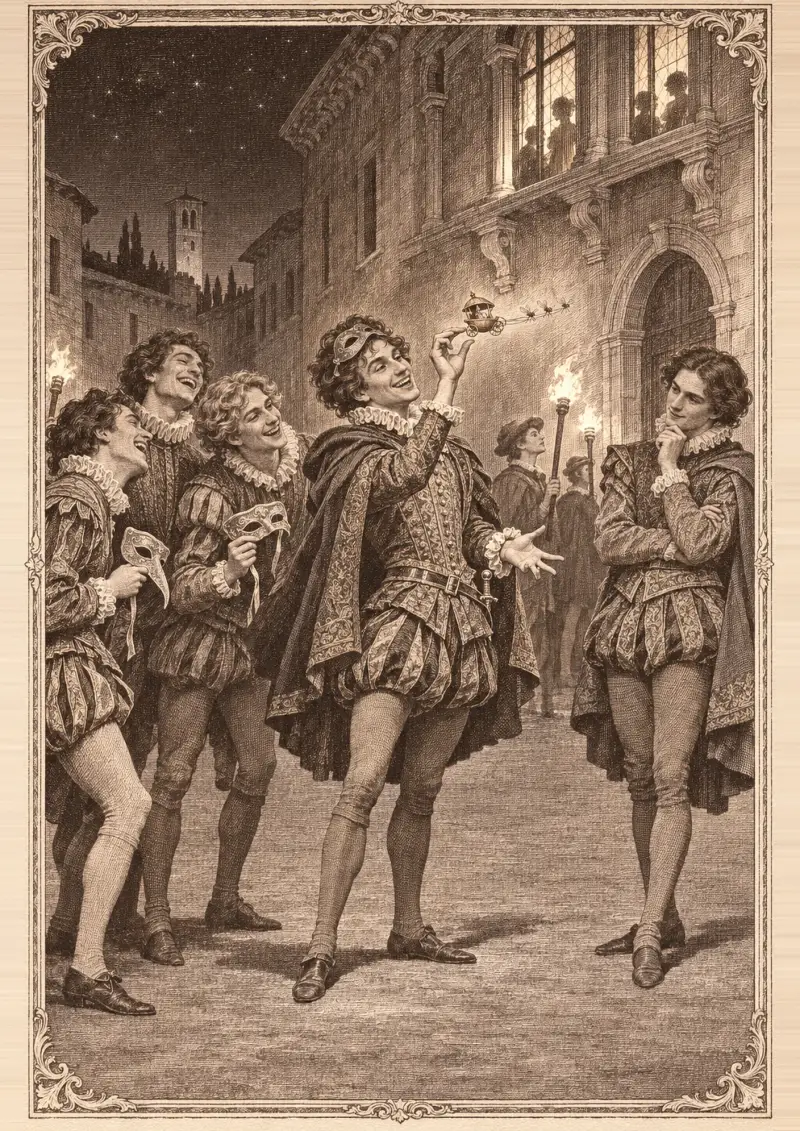
Romeo and Juliet
Fate and the feud, the language of love, Act 3 Scene 1 as turning point
-
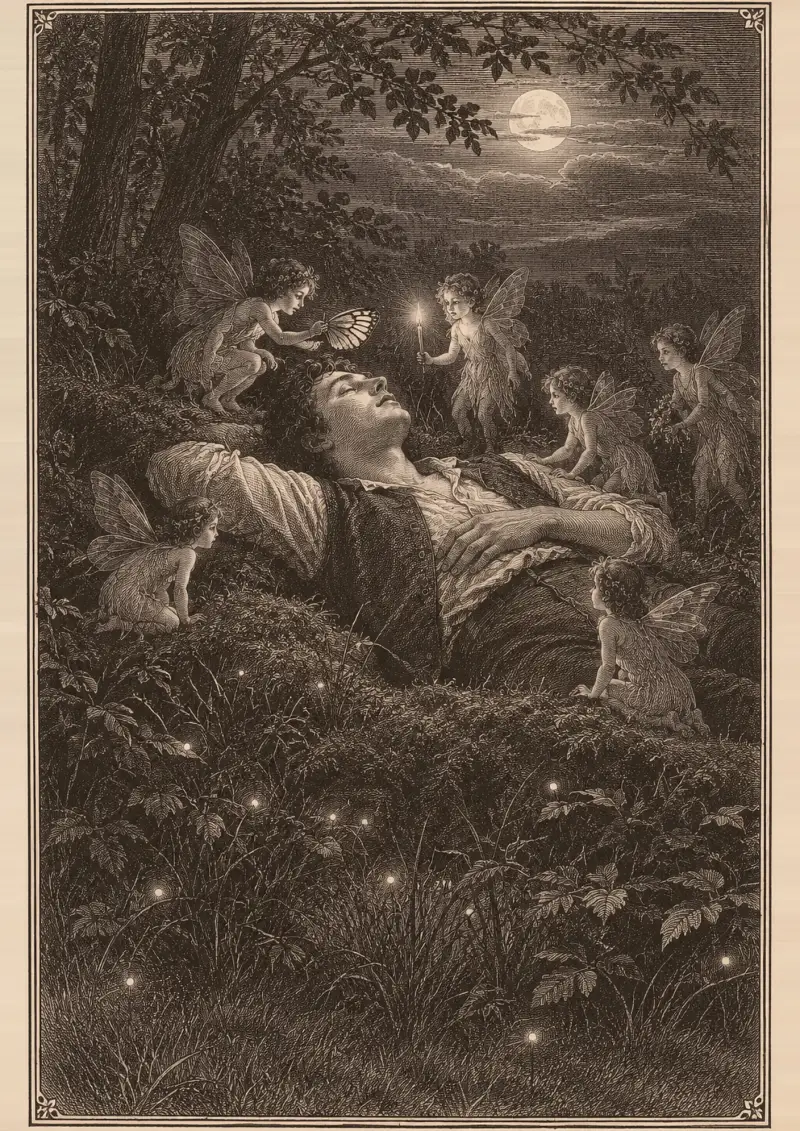
A Midsummer Night’s Dream
Law and love in Athens, power and disorder in the wood, imagination and theatre
-
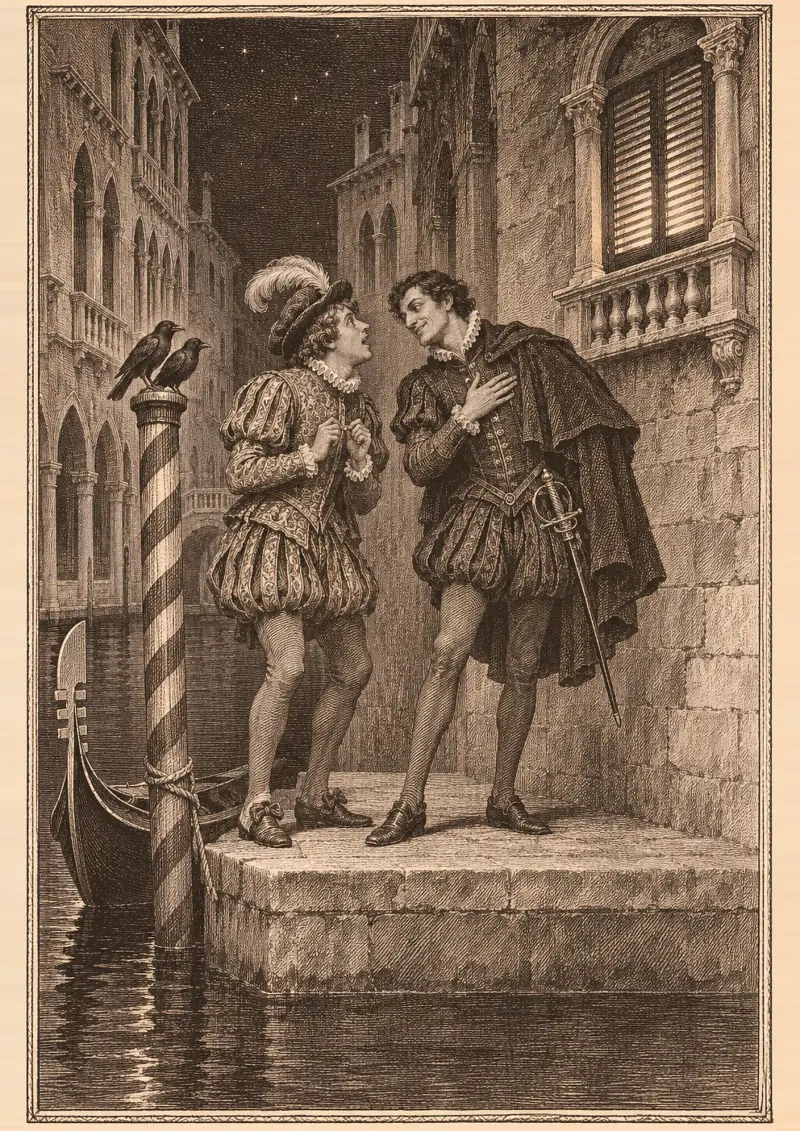
Othello
Iago’s methods of persuasion, Othello’s changing language, and competing judgements of the ending
-
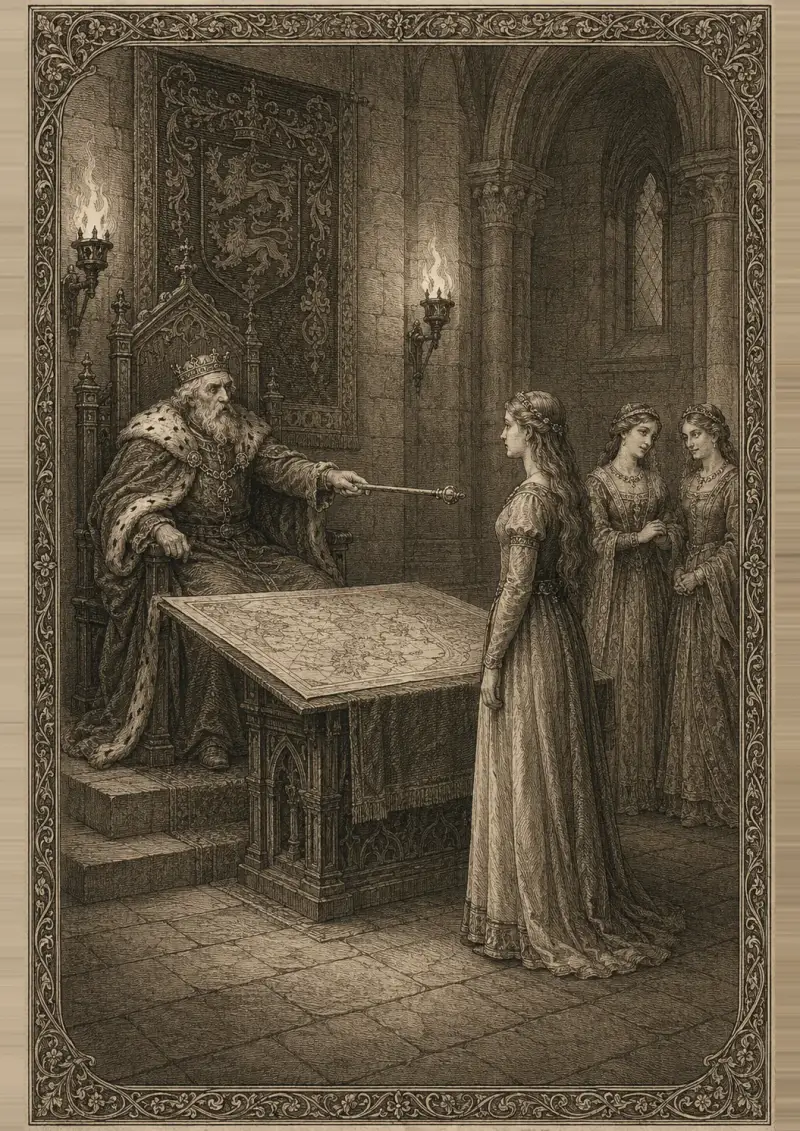
King Lear
Language and power in the love test, Lear’s change on the heath, and competing readings of the ending
-
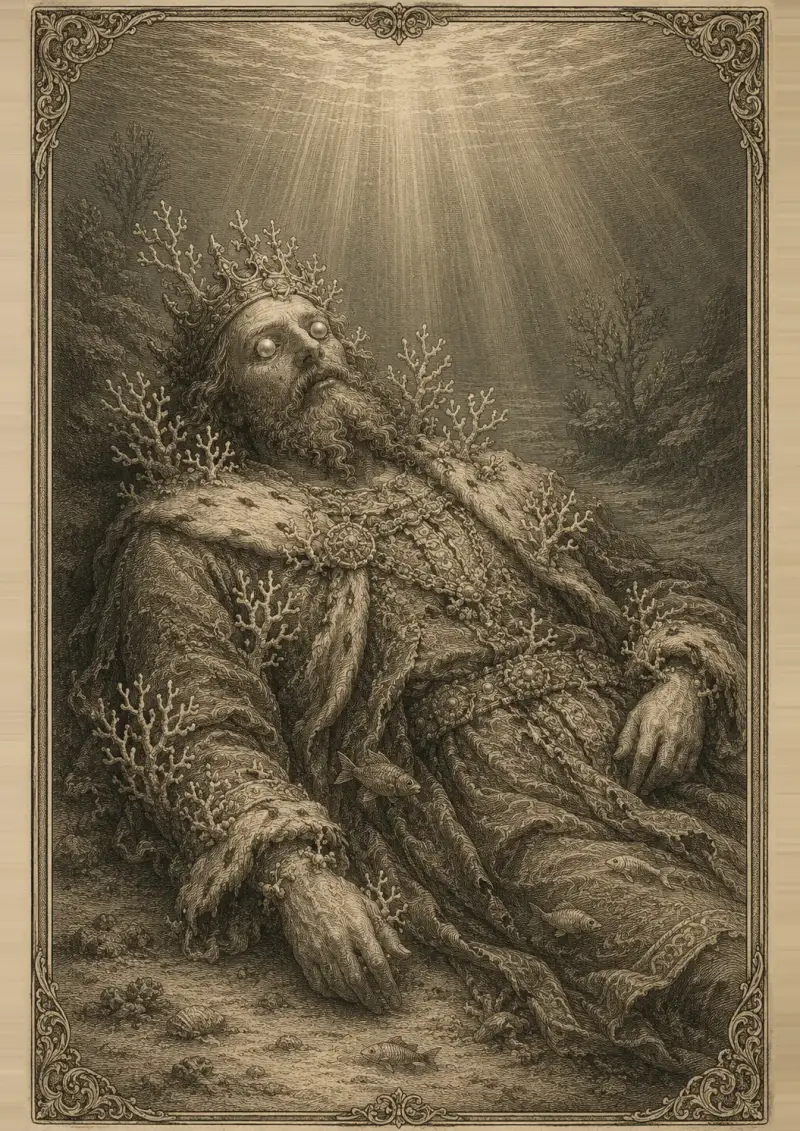
The Tempest
Power and dispossession; art and illusion; forgiveness and its limits
-
Shakespeare’s Sonnets
Sonnet form and the volta; Petrarchan convention and satire; time and constancy; comparing poems
How the plans are built
Every lesson starts from a named passage and a question worth arguing about. Activities are timed, the discussion questions are written out, and each lesson says how you will know what has been learnt. Support and stretch tasks are given for every lesson, so one plan serves a mixed group.
The plans are free to print, copy and adapt for your own classes.
Handouts for any text
- The Shakespeare essay planner. Thesis, paragraph plans and a checklist for any Shakespeare essay.
- The close reading toolkit. A method for annotating any passage: words, images, sound, metre, structure.
- Shakespeare’s language: a cheat sheet. Thou and thee, verb endings, false friends, and the terms examiners expect.
- The assessment map. What GCSE, A-level, AP Literature and IB actually reward, side by side.